
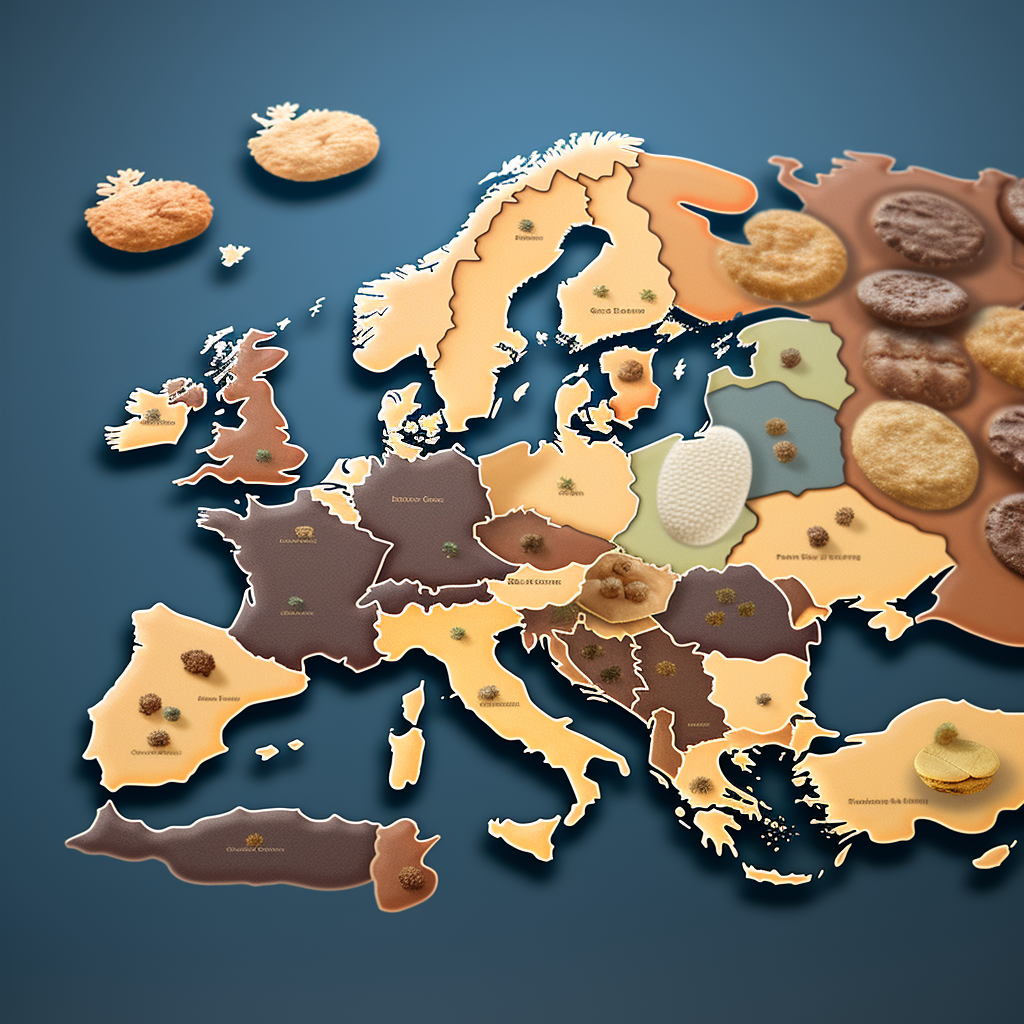
Explore the list of European Union countries and the United Kingdom that have implemented cookie laws in compliance with the EU ePrivacy Directive and GDPR. Ensure your website meets regulations by understanding country-specific requirements.
You built a site. Someone in Berlin opens it, an analytics cookie fires before they’ve clicked a thing, and now you may be on the wrong side of a law you never read. That’s the reality of running a website today. Cookies aren’t purely yours to set anymore, and a growing list of countries expect you to ask first.
Most of this traces back to the European Union. The General Data Protection Regulation (GDPR), in force since May 2018, paired with the older ePrivacy Directive, means you generally need a visitor’s prior consent before you store or read non-essential cookies on their device. Cookies that keep a login or a cart working are usually exempt. Analytics, advertising, and tracking are not.
The UK kept its own version after Brexit: the UK GDPR alongside the Privacy and Electronic Communications Regulations (PECR). Different paperwork, same core idea. Ask before you track.
Countries That Commonly Require Cookie Consent
Here’s an illustrative snapshot. These are places where a GDPR-style consent model is the norm. Treat it as a starting point, not a complete or current legal register, because the list below leans European and privacy law keeps moving.
- Austria (AT)
- Belgium (BE)
- Bulgaria (BG)
- Cyprus (CY)
- Czech Republic (CZ)
- Denmark (DK)
- Estonia (EE)
- Finland (FI)
- France (FR)
- Hungary (HU)
- Ireland (IE)
- Italy (IT)
- Latvia (LV)
- Lithuania (LT)
- Luxembourg (LU)
- Malta (MT)
- Netherlands (NL)
- Poland (PL)
- Portugal (PT)
- Slovakia (SK)
- Slovenia (SI)
- Spain (ES)
- Sweden (SE)
- United Kingdom (GB)
One honest caveat: not every privacy law is a consent law. California’s CCPA, as amended by the CPRA, runs on an opt-out model, letting people say no rather than asking them to say yes first, and Brazil’s LGPD is its own regime again. A single country list flattens those differences and goes stale fast. Use it to get oriented, then check the specifics for the markets you actually serve.
Why These Rules Exist
The goal is transparency. People should know what a site collects, why, and for how long, and they should get a real say before non-essential cookies land on their device. Regulators back this up with teeth. Under the GDPR, fines can reach into the tens of millions of euros, so this isn’t a box you want to leave unchecked.
What Compliance Usually Asks For
- Transparency: Tell users which cookies you set and how their data gets used.
- Consent: Get a clear, affirmative opt-in before storing non-essential cookies.
- Easy refusal: Saying no to non-essential cookies should be as simple as saying yes.
- Accountability: Keep records, because ignoring these rules can turn into real penalties.
What This Means for Your Site
If you have visitors from any of these places, you need a consent mechanism that fits the local rules and blocks non-essential cookies until someone agrees. That much is doable. One thing this post is not, though, is legal advice. Laws change, enforcement shifts, and a static list will always trail reality, so for anything you’re staking your business on, talk to a qualified lawyer in the markets you target.